



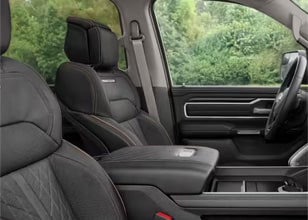
Buying a brand-new Ram truck is an exciting moment. Whether you’ve chosen a Ram 1500 for daily driving, a Ram 2500 for serious work, or a Ram 3500 for heavy towing, the way you drive your truck during the first few weeks plays an important role in its long-term performance.
One of the most common questions new owners ask is:
How many miles per day should you drive a new Ram truck to break it in?
The answer surprises many people: there is no required number of miles per day. Instead, the break-in period is about how you drive, not how far you drive.
At Melloy Dodge in Albuquerque, we help Ram owners understand how to protect their investment from day one. This guide explains what the Ram break-in period is, how many miles you should drive, what to avoid, and when your truck is ready for normal use.
What Is the Ram Truck Break-In Period?
The break-in period refers to the first 500–1,000 miles of driving on a new vehicle. During this time, internal engine components, transmission parts, brakes, and drivetrain systems are wearing together for the first time.
Even though modern Ram trucks are built with advanced manufacturing and tight tolerances, break-in is still important because it allows:
-
Piston rings to seat properly against cylinder walls
-
Bearings and gears to wear in evenly
-
Transmission shift points to smooth out
-
Brake pads and rotors to bed correctly
Skipping or rushing this process can lead to premature wear over time.
How Many Miles Per Day Should You Drive a New Ram Truck?
There is no daily mileage requirement for breaking in a Ram truck. However, most drivers naturally fall into a healthy range.
A good guideline is 20 to 100 miles per day, depending on your routine.
This works well because it:
-
Exposes the engine to different speeds and loads
-
Prevents excessive heat buildup
-
Avoids long periods of constant RPMs
-
Allows systems to cool between drives
You do not need to drive your truck every day to break it in properly. Occasional days off are perfectly fine.
Why Driving Style Matters More Than Miles
Driving 50 miles the right way is far better than driving 200 miles the wrong way during break-in.
Ram recommends focusing on varied driving conditions, which means:
-
City driving with frequent stops
-
Highway driving at different speeds
-
Gentle acceleration and deceleration
What you want to avoid is long highway trips where the truck sits at the same speed and RPM for hours at a time, especially when using cruise control.
Best Driving Practices During the First 500–1,000 Miles
During the break-in period, follow these habits to protect your Ram truck:
Vary Your Speed
Changing speeds allows engine components to wear evenly. Try not to hold the same speed for long stretches.
Keep RPMs Moderate
You don’t need to baby the truck, but avoid pushing the engine hard. Staying under higher RPM ranges helps parts seat gradually.
Accelerate Smoothly
Normal acceleration is fine. Avoid hard launches or full-throttle starts during break-in.
Let the Engine Warm Up
Give your truck a short warm-up period before driving aggressively, especially in colder New Mexico mornings.
Brake Gently
New brake pads and rotors need time to seat. Avoid slamming the brakes unless necessary.
What to Avoid When Breaking In a New Ram Truck
To prevent unnecessary stress on your new truck, avoid the following during the first 500–1,000 miles:
-
Heavy towing or hauling
-
Aggressive acceleration
-
Long highway drives at constant speeds
-
Excessive idling
-
Hard or repeated panic braking
These recommendations are especially important for HEMI® V8 engines and turbocharged Ram powertrains, which benefit from gradual break-in.
Break-In Guidance for Ram 1500 vs. Ram Heavy Duty Trucks
Ram 1500
The Ram 1500 is designed for comfort and performance, but break-in still matters:
-
Avoid towing during the first 500 miles
-
Gradually introduce heavier loads after 1,000 miles
-
Focus on mixed city and highway driving
Ram 2500 and Ram 3500
Heavy-duty trucks require even more patience:
-
Avoid towing completely during early miles
-
Slowly increase load after the first 1,000 miles
-
Pay attention to axle, differential, and suspension break-in
If your truck is equipped with a Cummins® diesel engine, always follow diesel-specific break-in guidance found in your owner’s manual.
When Is Your Ram Truck Fully Broken In?
Most Ram trucks are considered fully broken in around 1,000 miles. At that point, you can:
-
Tow trailers
-
Haul heavier payloads
-
Use cruise control normally
-
Accelerate more aggressively when needed
By following proper break-in steps, your truck will be ready to deliver full power, reliability, and efficiency.
Does Proper Break-In Really Make a Difference?
Yes — especially over the long term.
Drivers who follow break-in recommendations often experience:
-
Smoother engine performance
-
Better fuel economy
-
Improved transmission shifting
-
Longer engine and brake life
-
Fewer mechanical issues down the road
For truck owners who plan to keep their Ram for years or put serious miles on it, break-in is a small effort that pays off.
Common Break-In Questions from Ram Owners
Can I take a road trip in a new Ram?
Yes, but avoid holding one speed for long periods. Change speeds and take breaks.
Is it bad to drive short trips only?
Occasional short trips are fine, but avoid only driving one or two miles repeatedly early on.
Do modern trucks really need break-in?
Yes. While less strict than older vehicles, break-in still protects long-term performance.
Your Ram Experts at Melloy Dodge
At Melloy Dodge, we believe buying a Ram truck is just the beginning. Our team is here to help with:
-
Ram ownership questions
-
Break-in and maintenance guidance
-
Service scheduling
-
Long-term care and performance tips
If you’ve recently purchased a new Ram or are considering one, our sales and service teams are always happy to help you get the most from your truck.